Understanding EU Regulations on Non-Alcoholic Beverages How to be sure you are in the utmost compliance
In the realm of drinking and eating, compliance with regulations is more than legally required, but is an essential element of consumers’ trust and security. This is because the European Union (EU), recognized for its strict regulations and strict rules, puts a lot of importance on ensuring that non-alcoholic beverages meet the highest standards of safety and quality. This article, the first in our series, aims to help you understand the complexities of EU regulations that govern non-alcoholic drinks.
Understanding the EU Framework
A brief overview of EU Regulatory Organisations
In the midst of EU laws governing non-alcoholic alcohol are various key regulatory bodies with each one playing an important responsibility in ensuring that all products available on the market are healthy for people to consume.
1. It is the European Commission: Often considered to be the executive arm of the EU The European Commission takes charge of proposing legislation and implementing decisions. When it comes to food and beverage regulations, the Commission is crucial in setting the regulations which alcohol-free drinks are allowed to function.
2. EFSA (European Food Safety Authority ):> This non-profit agency provides scientific advice on nutrition and safety for authorities of EU institutions. The expertise of EFSA is vital in making sure that ingredients are safe as well as the ingredients used in non-alcoholic drinks.
3. National Authorities Alongside EU-wide regulations, individual state members may have their own particular rules. The national authorities ensure compliance with EU regulations at a local or state level.
Framework Legal Framework
Understanding EU regulations governing non-alcoholic beverages requires understanding of the legal framework that governs these regulations. The EU uses two types of legislation which are directives and regulations.
EU Regulations: They apply directly to the member states in general and don’t require separate national laws. When an EU regulation is enacted, it becomes law in all member states simultaneously.
EU Directives: Directives, on the other hand, set out the goals member states are required to achieve. It’s up to each member state the law of its country in order to conform with the directive.
The interplay between EU regulations as well as the state-specific laws of member states may sometimes be complex, requiring companies to be aware of both the broad EU rules as well as the specific nation-specific regulations.
Knowing the regulatory framework is the first step towards making sure that you are in conformity with EU regulations governing non-alcoholic beverages.
In the next section, we’ll discuss the specifics of EU rules, focusing on labels and ingredient requirements, that are vital for companies operating in the beverage industry.
Keep following us as we examine the complexities of ingredient labeling and regulations within the EU for non-alcoholic beverages.

In the process EU Regulations: Labeling and Ingredient Requirements on Non-Alcoholic Drinks
In the previous article we set out on a journey to unravel the complex web of EU rules governing alcohol-free beverages. Now, let’s dive deeper into the specifics. We will be focusing on ingredient labeling and labeling requirementsaEUR”a crucial aspect of compliance of businesses working in the field of beverage.
labeling guidelines
The clarity of the HTML0 code and Transparency
EU regulations are very precise in regards to labeling non-alcoholic drinks. The goal is to ensure that consumers get truthful and accurate information on the products they purchase. Here are some essential aspects of labeling guidelines:
1. Name of the beverage: The name should clearly define the purpose of the beverage. Names that are misleading and could mislead consumers are prohibited.
2. Ingredients List: All non-alcoholic beverages must provide a list of ingredients in which each ingredient is listed in order of weight, descending.
3. Food Allergen Information: If the drink contains any of the 14 allergens listed in EU regulations (e.g., nuts, milk, gluten) These allergens must be clearly identified in the ingredients list.
4. Net Quantity: The amount of the beverage should be stated in milliliters, milliliters (cc), centiliters (ml), kilograms grams or milligrams dependent on the brand.
5. Best Before/Use By Dates: Non-alcoholic drinks with a shelf life of less than one year must be accompanied by a “use to” date. The ones with a longer shelf time should have a “best prior to” date.
Nutrition Declaration
Recent years have seen EU regulations have made it compulsory for non-alcoholic drinks to include nutrition information for each 100ml of the beverage. This includes details on energy content and amounts of saturates, fats, carbohydrates, sugars protein, salt, and.
Ingredient Requirements
Use of Additives
EU regulations are strict in regulating the inclusion of additives in non-alcoholic drinks. The additives must be approved, safe for consumption, as well as serve a technology-related purpose (e.g., preservatives, colorants, sweeteners).
Natural Mineral Waters
For drinks labeled “natural mineral water,” EU regulations are particularly severe. These waters must come from trusted sources and meet specific requirements for minerals and purity.
Fruit Juices and Nectars
If a drink that is non-alcoholic contains fruit juices or nectars, it should be in line with the defined standards of fruit content. For instance, fruit nectars must contain at least 25 percent in fruit.
Sweeteners
The use of sweeteners is regulated to ensure safety and protect the consumer’s interests. Labels must clearly indicate the use of sweeteners.
What’s Next?
As we’ve seen, EU regulations on labeling and requirements for ingredients in non-alcoholic beverages are comprehensive and crafted to protect consumers’ concerns. Knowing and observing these regulations is essential for firms in this business.
In the next section we’ll look into the safety and quality standards and explore how EU rules ensure non-alcoholic drinks meet the highest standards of quality. Join us on this journey to discover the complexities of EU regulations more.
Stay with us to discover the world of quality and safety standards created by EU guidelines for alcohol-free beverages.
Revolutionize Your Offerings: Bulk Order Alcohol-Free Spirits Directly from Swedish Distillers!
High Quality and Security Standards Providing Top-Notch Non-Alcoholic Beverages in the EU
In our search for answers to the labyrinth of EU rules governing non-alcoholic beverages we’ve found crucial information regarding labeling and requirements for ingredients. Now, let’s continue our exploration by delving into the world of quality and safety standardsaEUR”critical aspects that uphold the integrity of these beverages in the European market.
Quality Standards
Water Quality
Water is the major component in many non-alcoholic drinks Quality is paramount. EU rules require that water used in the production of beverages must be able to meet strict quality standards. This ensures that the water’s source, treatment and transportation are not detrimental to the beverage’s safety or taste.
Natural Mineral Waters
For beverages that are labeled “natural mineral water,” EU regulations are particularly precise. They must come from recognized sources and meet strict requirements for mineral concentration and purity. Natural mineral waters are recognized for their pristine quality and unique mineral composition, making their use a major benefit to the industry of non-alcoholic beverages.
Fruit Juice Purity
When it comes to drinks containing fruit juices In beverages that contain fruit juices, the EU requires specific fruit-based content guidelines. For instance, nectars made from fruit need to have a minimum amount of fruit to guarantee the authenticity of the beverage and its quality.
Hygiene and Manufacturing Practices
Maintaining the highest standards of hygiene throughout the production process is crucial. EU regulations demand that all factories involved in the production of drinks adhere to strict safety and hygiene standards to prevent contamination and ensure the safety of products.
Safety Standards
Microbiological Criteria
Microbiological safety is a non-negotiable component of non-alcoholic beverage production. EU regulations provide microbiological guidelines to ensure that drinks are free of harmful microorganisms that can pose consumer health risks.
Contaminant Limits
To protect consumers’ health, EU regulations define maximum limit limits for various contaminants found in non-alcoholic drinks. These contaminants comprise heavy metals, mycotoxins, and pesticide residues. The strictest monitoring and testing protocols are in place to ensure that they are in compliance with these limitations.
Plus Safety
In non-alcoholic beverages, additives must be thoroughly evaluated for safety. EU regulations require comprehensive studies and risk assessments before additives are permitted for use. This ensures that consumers are not in danger of having to take unnecessary risks.
the Role of Quality Control
Quality control plays a vital aspect in ensuring that all non-alcoholic drinks meet the highest standards of quality and safety. Manufacturers are accountable to implement strict quality control measures, starting with the source of raw materials and continuing to the final production stages.
What’s ahead?
Quality and safety standards are the foundations on that the reputation of alcohol-free beverages is built on the EU market. In our next section we’ll take a look at the complicated world of marketing and packaging regulations, as well as shedding light on how these aspects contribute to the overall conformity landscape.
Stay tuned as we move into the realm of marketing and packaging rules, the most important elements of EU compliance for non-alcoholic drinks.
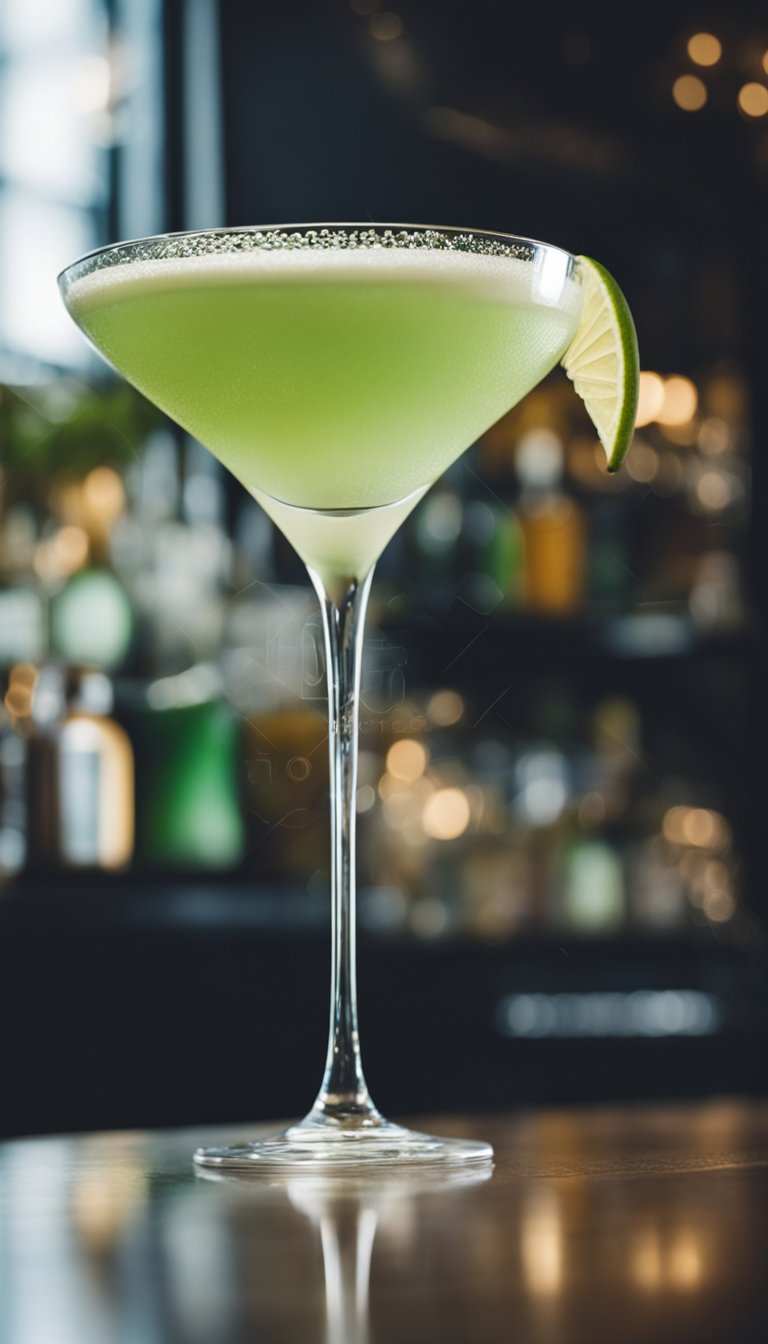
Packaging and Marketing The art of navigating the EU Regulations for Non-Alcoholic Beverages
As we continue our journey through the intricacies of EU regulations governing non-alcoholic beverages, we find ourselves at a crossroadsaEUR”packaging and marketing. These two aspects are important not only for compliance however, they are also important for capturing the public’s attention in this crowded market. Let’s dive into the world of packaging and marketing regulations in the European Union.
Packing Regulations
Material Safety
The EU is committed to ensuring that the materials used in beverage packaging are not harmful to the drink’s contents. The manufacturers must abide by strict guidelines for glass, plastics and metals. This ensures that the packaging does not affect the quality or safety of the drink.
Recycling and Sustainability
Environmental sustainability is a growing concern, and the EU promotes environmentally friendly packaging options. Regulations aim to minimize garbage and encourage recycling through establishing targets for the usage recycled materials and reduction of packaging waste.
Tags and presentation
The labeling process is a key element of packaging. EU regulations demand precise and clear information on labels, including the item’s name, ingredients details, nutritional information, and allergen declarations. The labels allow consumers to make informed choices and ensure transparency.
Marketing Regulations
True Advertising
Marketing non-alcoholic beverages in the EU must adhere to the tenets of honesty and accuracy. The claims made in advertising for health claims, like those about or ingredients’ benefits, have to be supported by evidence from a scientific perspective.
Protecting Minors
Due to the potential appeal of non-alcoholic beverages to minors, marketing efforts need to avoid focusing on this group of consumers. The EU establishes strict regulations for advertising that can be arousing for consumption by youngsters.
Alcohol Imitation
Non-alcoholic beverages must not imitate the appearance or packaging of alcoholic drinks. This helps prevent consumer confusion as well as ensures that the marketing of these beverages remains clear and transparent.
Challenges and Innovations
Understanding the rules for packaging and marketing can be daunting, but they also open up opportunities for innovation. Many companies are shifting to green packaging materials that match both the regulatory requirements and consumer preferences for eco-friendly alternatives. Creative marketing strategies focusing on health benefits, as well as distinctive flavor profiles are gaining traction on and around the EU market.
What’s Next?
Our exploration of EU laws governing non-alcoholic beverages would not be complete without addressing the important aspect of ensuring compliance to these regulations. In the next section, you’ll delve deep into strategies and top practices that can help businesses adhere to the European Union’s strict standards.
Stay tuned as we learn the keys to ensuring compliance with EU laws for alcohol-free drinks.
It is a challenge to follow EU Regulations for Non-Alcoholic Beverages: A Comprehensive Guide
It’s time for the fifth last section of our extensive guide on navigating EU regulations governing alcohol-free drinks. In this guide, we’ve examined the intricate web of regulations that govern the production in the areas of labeling, safety and promotion of non-alcoholic drinks within the European Union. In this final post will provide a recap of the major points in each section, and offer conclusions about the problems as well as opportunities in this highly regulated sector.
We’ve recapped Our Journey
Part 1: Production Standards
In our previous article we reviewed the production requirements developed by the EU for non-alcoholic beverages. Principal takeaways included:
- Security and hygiene standards are extremely strict for production areas.
- Guidelines for ingredient selection and the quality.
- It is crucial to adhere to minimum residue levels for the use of pesticides and environmental contaminants.
- The importance of adhering to Good Manufacturing Practices (GMP) is crucial.
Section 2: Labeling and Nutritional Information
In our previous article we talked about the importance of exact labeling and nutritional data. Highlights include:
- A clear and precise labeling requirement that include ingredient lists, details on nutrition and declarations of allergens.
- The importance of honesty in advertising and the need for proof of scientific research to support claims.
- The prohibition of inducing consumers to believe false information.
3. Safety and Quality Assurance
Our third article was dedicated to safety and quality assurance. It covered the following key points:
- Stringent safety standards to prevent contamination and guarantee the safety of non-alcoholic beverages.
- The role plays a role in Hazard Analysis and Critical Control Points (HACCP) in protecting food safety.
- Monitoring and traceability in order to swiftly identify and correct safety issues.
Section 4: Packaging and Marketing
In the fourth piece we looked at the regulations relating to marketing and packaging:
- Standards for the safety of packaging materials to ensure that they are not contaminated.
- It is important to emphasize recycling and sustainability in packaging.
- Guidelines for ensuring that advertising is honest to protect minors and the prevention of drinking underage.
Opportunities and Challenges
As we complete our journey through EU rules for non-alcoholic drinks It’s evident that this industry is not without challenges and opportunities. The main challenge is in navigating the complexities of regulatory requirements that requires compliance, as well as satisfying the growing demands of consumers for more sustainable and healthier choices.
However, there are substantial advantages for companies that are prepared to meet these problems:
-
Innovative: Developing eco-friendly packaging and marketing strategies that highlight health benefits can set you apart in the market.
-
Transparency: Conforming to labeling requirements and regulations on advertising not only guarantees the compliance of consumers, but also strengthens their trust.
-
Protection: Insisting on quality assurance can protect your brand’s reputation and safeguard the consumers.
Conclusion
In this article, we’ve been through the many facets of EU regulations for beverages that are not alcoholic. From production guidelines to packaging advertising, security, and marketing, compliance is essential for success in this industry.
As you navigate through these regulations make sure you remember that they’re in place to protect consumers and ensure the highest quality standards. Encourage innovation, sustainability as well as transparency, to make it in the fierce EU marketplace for alcohol-free drinks.
Thank you for joining us on this educational journey. We hope you’ve gained useful insights into the regulatory landscape of non-alcoholic alcohol in the EU.
The Recap Of All Articles in this Series
-
Section 1: Production Standards
-
Section 2 the labeling of nutrition information and nutritional labels
-
Chapter 3: Safety and Quality Assurance
-
Section 4: Marketing and Packaging
Continue on your way to success in the business of non-alcoholic beverages be sure to keep up with the latest EU guidelines.
